

Apr 30, 2011 Upcycled Computer Key Board Keys: A Fun Idea for Bookending a Learning Experience with Strong Beginnings and Endings
Computer Keyboard Reflection is an engaging activity that serves both purposes well. One of my favorite aspects of this facilitation tool is that it is free, involves recycling, and is easily found in most offices and schools.
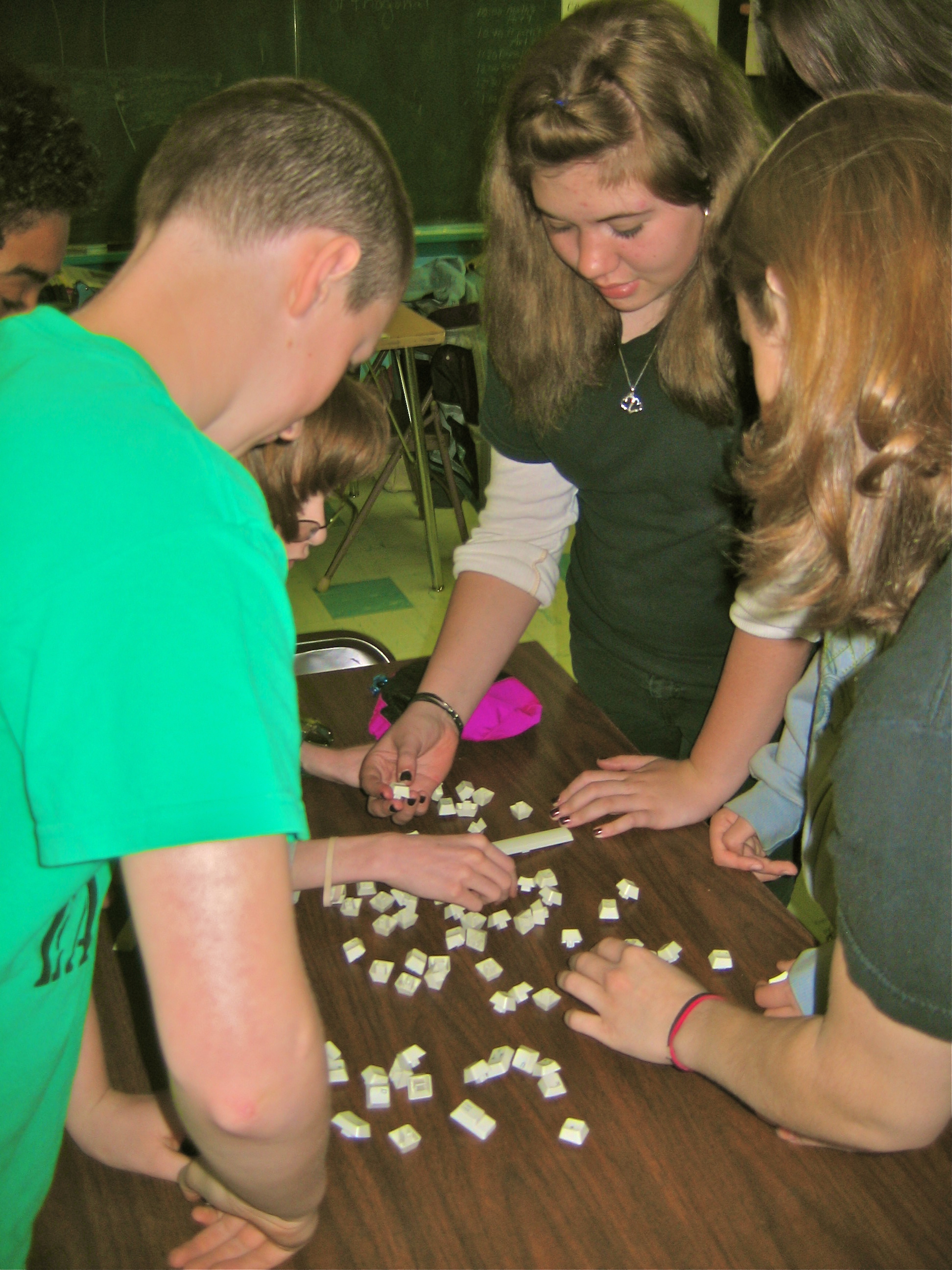
When I arrived at his site for another workshop the following week, he handed me a bag filled with the keyboard pieces that he had recycled, stating, “I bet these would be interesting to use in some way with a group.”
We tried them that day with his colleagues. After engaging in a problem-solving activity, we asked group members to choose a key that represented their role in the process. I was impressed with the conversation the keys initiated and the connections group members made to various keys. It can be surprising where conversations can go with such a simple tool.
New Years Resolution Example:
A teacher who attended a recent workshop where we used the keyboard keys reported a few weeks later that she successfully used this activity with colleagues and students at her alternative school.
She stated, “I really liked the keyboard activity you shared with us in our workshop last month. I’ve used it at the end of some team-building work with students and asking the question “What was the hardest part about your work today” and at a staff training using the question “how would you describe your teaching style”. I will be teaching a demo lesson on Thursday and would like to use the activity to open class rather than to close it. I see it as a good icebreaker since the kids have never met me before. The lesson is on (Microsoft) Excel and how it relates to a technology education project (truss bridges) they have been working on. The main point I would like to convey is that Excel will make their lives easier by simplifying the math involved. I’ve thought of asking the question “which key describes how you feel about math” or “describes you as a math student”.
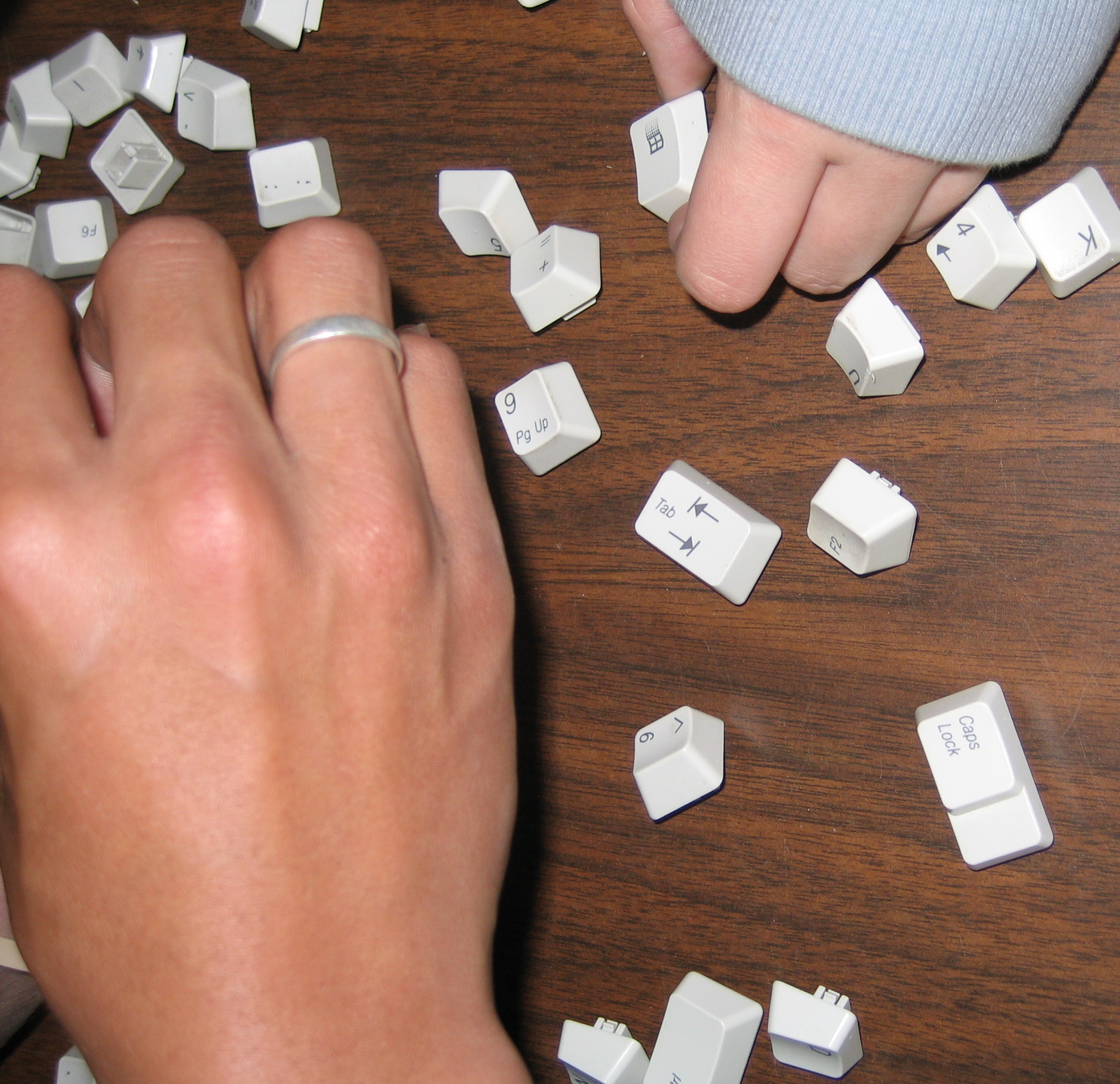 Sandi Lindgren, a social worker with I Support YOUth! recently shared her experience with this activity:
“I used the keyboard keys yesterday, and the group loved it! I was speaking to a senior class of social workers at a local college about research/surveys (sharing examples from my dissertation) and then about how to find your dream job as a social worker.”
“I used the keys in the beginning as an introduction. I asked them to choose a key that best represents where they currently are in this class’ research process. The professor was delighted with the on-point honest sharing that occurred. I was then able to reference their examples later on in the session. Examples included: The space key for taking a break and not really doing much with homework. The S key for stress. The tab key for taking a break (the old soft drink tab). The group also later pointed out that the tab key moves one forward.”
“The professor picked the command/apple key, sharing that as a teacher (apple) he’s delighted with the learning and processing and he also has to ‘command’ by telling students what to do. The page down key was chosen by someone who feels their process is really slow right now. The caps lock key was chosen by another student who is so stressed they feel like everyone is talking to them in all CAPS WHICH IS YELLING ON THE SCREEN (that was great).”
As with many tools that I have experimented with, having no clear picture of how it would work, there have been many pleasant surprises. So I encourage you to take a new look at your recycle bin and see what you come up with!
References:
After being published here, this activity was added to my Inspired Educator, Inspired Learner book in 2014. (Stanchfield, WNB Publishing 2014)
Neuroscience Research References:
Sousa, David. (2006). How the Brain Learns. Thousand Oaks, CA: Corwin Press.
Willis, Judy. (2006). Research-Based Strategies to Ignite Student Learning. Alexandria, VA: ASCD.
Proj Based Learning Group 07/29/2011 | KJsDiigoBookmarks
Posted at 16:36h, 28 July[…] Bookending a Learning Experience with Strong Beginnings and Endings, Another Fun Idea | Experiential… […]